
3) Cold wings
- Yusuf Khan-Cheema

- Apr 17, 2020
- 2 min read
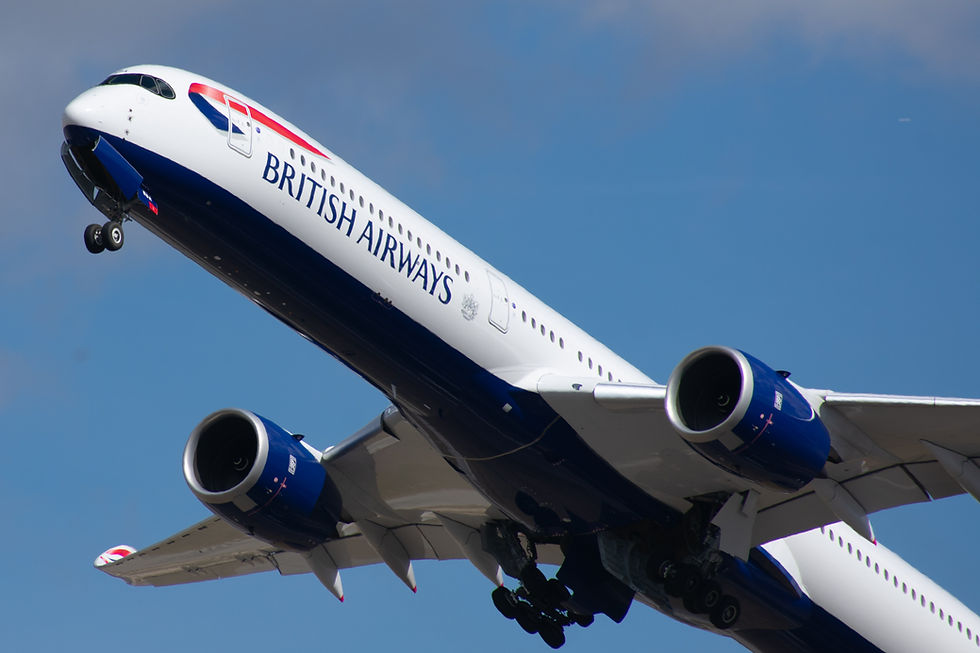
It’s 6am at JFK airport, New York and I’ve got a severe case of cold wings. I want to get back to London, but I can’t fly with ice on my wings, engines or tail because it interferes with my ability to fly.
**Queue the de-icers.**

De-icers and anti-icing fluids are chemicals sprayed on me and the ground to ensure my safe operation in an ice-free environment. Until the 2000s, the environmental impact of de-icers were relatively unknown, so they were free to drain into local waterbodies; the EPA estimates 40 million litres of de-icing fluid enters US waters annually.
In order to truly understand their impact on the aquatic environment, I need to go into a bit of chemistry and biology so just bear with me here. The main chemical used in de-icers is (propylene or ethylene) glycol, which freezes at -50°C and so is perfect for airports and aircraft operating in sub-zero temperatures. Glycol, however, has a high biochemical oxygen demand (BOD); essentially, it requires lots of oxygen for aquatic organisms to breakdown glycol, depleting the oxygen levels on which larger organisms such as fish depend. Although glycol is non-toxic in aquatic environments, de-icers also contain toxic chemicals including rust inhibitors. This along with a high BOD has caused ecological damage in the Jamaica bay nature reserve around JFK, including the loss of indigenous oysters and eelgrass beds.
Urea is also commonly used to de-ice runways and tarmac. Although non-toxic too, it can degrade via hydrolysis (a chemical reaction with water) to form a toxic compound called ammonia. Moreover, urea provides extra nitrogen nutrients which can lead to a rapid increase in the population of algae (also known as algal blooms). These further deplete oxygen levels in rivers, leading to eutrophication of lakes into which untreated waters drain. A study of urea discharges from Newcastle-upon-Tyne international airport indicated reduced micro-invertebrate populations in the River Ouse due to high ammonia levels.

There is strong evidence that fuel leakages and solvents used to clean aircraft also contribute to water pollution, particularly of groundwater supplies (essentially, water stored underground in aquifers and the pores of rocks). Accordingly, the US EPA mandates that 60% of airport discharges are treated in order to minimise these aforementioned impacts on aquatic ecosystems around airports.
Furthermore, global warming is exacerbating the need for better management. De-icers are normally used just below 0°C at Oslo's Gardermoen airport, where temperatures often go well below freezing. With temperatures predicted to be closer to zero more frequently, the need for de-icers is likely to increase at many airports experiencing cold winters.


Comments